
The Right Way to Quit Your Job: How to Resign Without Burning Bridges
Quitting your job is a big decision, and how you handle your departure impacts your career long-term.

Quitting your job is a big decision, and how you handle your departure impacts your career long-term.

Networking. It’s one of the most powerful skills you can build throughout your career journey. Yet, for so many professionals, the very thought of networking feels forced, awkward or transactional.

Whether it’s the constant gossip, gaslighting, lies or manipulation, navigating a toxic workplace and dealing with difficult coworkers can feel incredibly challenging.

What if your interview nerves are the only thing standing between you and the job you want? It’s a common struggle: that fluttery feeling in your stomach, the racing thoughts, the worry that you’ll fumble your words.

The truth is, you’re more valuable than you think. You’ve got wins, you’ve got impact, you’ve got leadership potential.
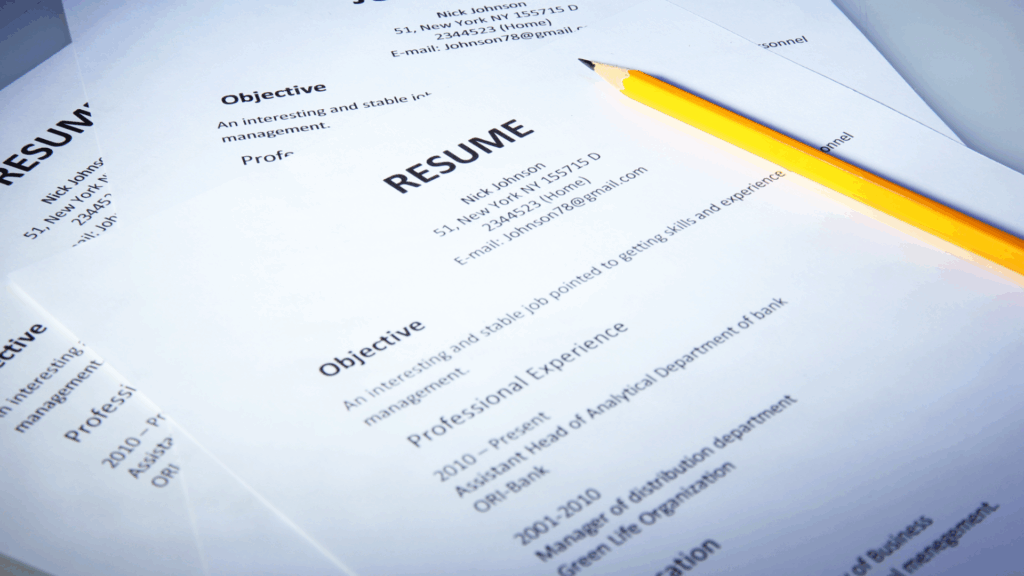
Your resume can be a deal breaker when job searching. It’s the first impression you make on a potential employer, and it needs to be compelling and effective.

You’ve been diligently applying for positions, meticulously crafting and sending out your resume, filled with hope for a response.

“Tell us about a time you made a mistake.” It’s a classic interview question, and it can strike fear into the hearts of even the most seasoned job seekers.

You’re using LinkedIn to network, find opportunities, and build your professional brand. But what about privacy? You might be wondering, “How do I hide my following and connection list on LinkedIn?”

You’re working hard, putting in long hours, and consistently delivering results. Despite this, the promotions, leadership roles, and career growth you deserve seem out of reach.